


Introduction: What Makes Shiatsu a Timeless Healing Art?
In a world where stress, fatigue, and chronic discomfort are all too common, more people are turning to traditional healing methods to find balance — not just in their bodies, but in their minds and spirits as well. Shiatsu massage, a therapeutic practice rooted in Japanese tradition, offers exactly that: a path to holistic wellness through the power of touch.
Unlike other massage styles that focus mainly on muscles or tension, Shiatsu works on the body’s vital energy, known as qi (or ki in Japanese), to promote healing and harmony from within. This therapy uses gentle, rhythmic pressure applied by fingers, thumbs, and palms to stimulate specific energy points and meridians — the invisible energy channels that flow throughout the body.
But Shiatsu is more than just finger pressure. It’s a philosophy, a way of restoring equilibrium that dates back centuries, blending the wisdom of Eastern medicine with modern health practices. Whether you’re seeking relief from pain, better sleep, or deeper relaxation, Shiatsu may just be the natural solution your body has been waiting for.
Let’s explore this unique healing art — where it comes from, how it works, and why it continues to be one of the most respected forms of energy-based massage therapy in the world.
What is Shiatsu Massage? Origins & Core Philosophy
The Meaning Behind the Name
The term “Shiatsu” (指圧) literally translates to “finger pressure” in Japanese — a simple name that reflects the core of the practice. But behind this simplicity lies a deeply profound approach to health and wellness.
Shiatsu combines traditional Japanese manual therapies like anma (a predecessor to massage) with principles of Chinese medicine and modern anatomy. It’s sometimes called “acupuncture without needles” because it targets the same meridians and pressure points as acupuncture, but uses touch instead of invasive tools. (Shiatsu Body Work Academy).
The ultimate goal? To unblock stagnation, rebalance energy, and stimulate the body’s natural healing ability. This makes Shiatsu not only a relaxing experience but also a preventive and therapeutic practice.
The Role of Qi (Energy) and Meridians
To understand Shiatsu, it’s important to grasp two foundational concepts in Eastern medicine:
-
Qi (or Ki): This is the body’s life force — the energy that flows through all living things. When qi flows freely, we experience health, clarity, and vitality. When it becomes blocked or weak, we may suffer from fatigue, stress, illness, or emotional imbalances.
-
Meridians: These are the pathways through which qi travels in the body. Shiatsu practitioners are trained to feel for imbalances in these pathways and apply targeted pressure to specific points to help release tension, boost circulation, and harmonize energy flow.
In essence, Shiatsu views the body as a connected energy system, not just a collection of muscles and bones. Instead of treating symptoms alone, it aims to support the whole person — physically, emotionally, and energetically.
Shiatsu as a Mind-Body Practice
What sets Shiatsu apart from many Western massage techniques is its meditative, holistic approach. A skilled Shiatsu therapist doesn’t simply follow a set routine. Instead, they tune into the client’s energy, adjusting pressure and rhythm in response to the body’s feedback.
Sessions are often quiet, slow, and deeply calming — creating a space where both therapist and client are fully present. This mindfulness contributes to the therapy’s powerful emotional and mental benefits, making it especially effective for those suffering from anxiety, burnout, or emotional tension.
The History of Shiatsu: From Ancient Roots to Modern Practice
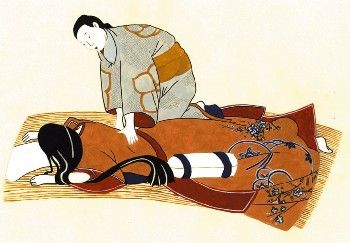
Shiatsu originated in Japan, evolving from Anma, a traditional massage influenced by Chinese medicine. In the 20th century, Tokujiro Namikoshi developed modern Shiatsu, combining pressure techniques with Western anatomy. He founded the Japan Shiatsu College in 1940, and the therapy was officially recognized in 1964.
Later, Shizuto Masunaga created Zen Shiatsu, emphasizing the connection between body, mind, and spirit using a 12-meridian system. Today, Shiatsu is practiced worldwide in various forms — from clinical Namikoshi-style to holistic Zen Shiatsu — all aiming to balance energy and promote natural healing through focused, intentional touch.
Core Techniques Used in Shiatsu Therapy
Shiatsu is often described as deceptively simple — but beneath its gentle appearance lies a highly skilled and intuitive technique that takes years to master. Unlike massage styles that rely on muscle kneading or stroking, Shiatsu uses intentional pressure, body positioning, and breath synchronization to stimulate energy pathways and promote healing.
Let’s explore the key principles and foundational techniques that make Shiatsu so unique and effective.
Pressure as the Heart of Shiatsu
At the core of Shiatsu lies the application of pressure using various parts of the therapist’s body. The word Shiatsu literally means “finger pressure,” but in practice, a session may involve much more than just fingers.
What Parts of the Body Are Used?
Shiatsu practitioners typically use:
-
Fingers and thumbs for pinpoint accuracy
-
Palms for broader surface area
-
Elbows, knees, and sometimes even feet for deeper pressure, especially on larger muscle groups or meridian lines
Rather than relying on strength, practitioners use their body weight, leaning into the client with a stable, grounded posture. This allows them to deliver sustained, even pressure without causing pain or muscle fatigue — for both the client and themselves.
The Principle of Perpendicular Pressure
One of the hallmarks of Shiatsu is its use of perpendicular pressure — meaning the practitioner applies force directly down into the tissue, rather than sliding across the skin. This creates a grounding, calming sensation and stimulates energy flow without overstimulating the nervous system.
Clients often describe this feeling as being “held” or “anchored” — a sensation that promotes deep relaxation and emotional release.
Common Techniques in Shiatsu
Shiatsu sessions are structured yet adaptable. A skilled therapist listens to the body’s responses and customizes each technique based on the client’s physical and energetic needs.
Here are the main techniques used in a traditional Shiatsu treatment:
🔸 Kembiki (Gentle Rocking and Swaying)
-
A soothing motion that involves light rocking of the limbs or body.
-
Helps loosen joints, calm the nervous system, and prepare the body for deeper pressure.
-
Often used at the beginning or end of a session to promote relaxation and energy flow.
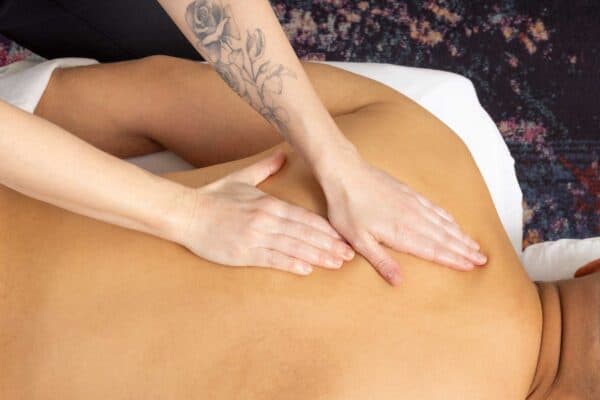
🔸 Pressure (Atsu)
-
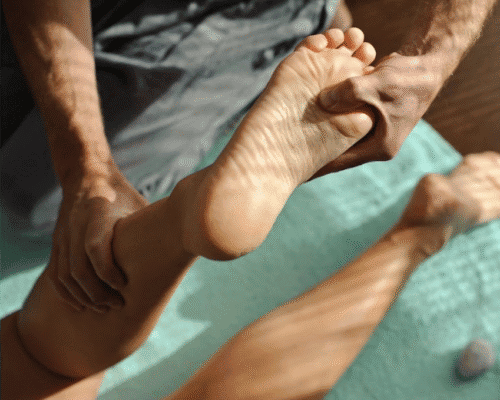
Delivered along specific meridians (energy channels) to stimulate or sedate energy flow.
-
Applied in a rhythmic and mindful manner using thumbs, palms, or elbows.
-
Focus is on depth and duration — not speed or force.
-
Pressure may be static (held) or dynamic (pulsed) depending on the body’s needs.
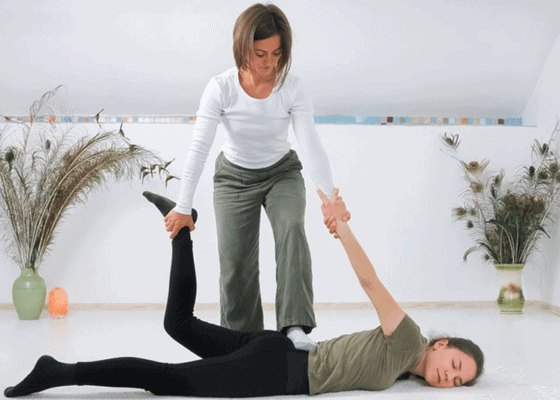
🔸 Stretching
-
Used to open joints, increase range of motion, and release stagnant qi.
-
Often includes gentle limb extensions, chest openings, spinal twists, and hip rotations.
-
Helps restore postural balance and promotes a sense of spaciousness in the body.
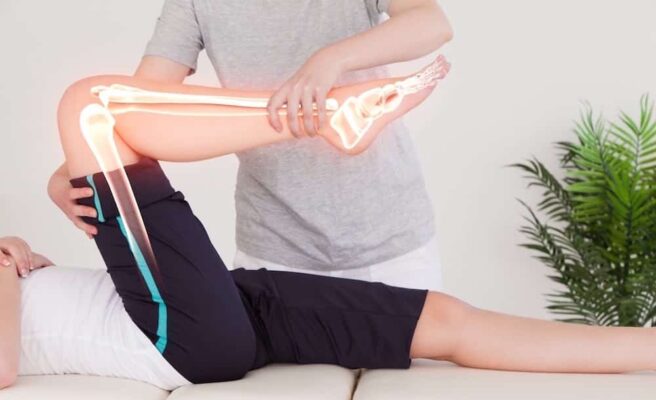
🔸 Joint Rotation and Mobilization
-
Practitioners gently rotate joints such as the ankles, knees, hips, shoulders, and wrists.
-
Improves synovial fluid movement, relieves stiffness, and enhances energy flow through the joints.
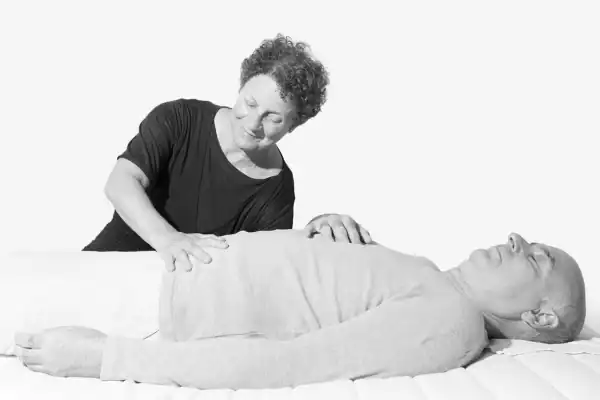
🔸 Holding and Stillness
-
A deeply therapeutic technique that involves simply placing hands on the body without movement.
-
Facilitates energetic connection and invites the body to respond on a subtle level.
-
Often used over the hara (abdomen), chest, or lower back to ground the client.
🔸 Percussion, Tapping, and Vibrations (Optional)
-
While not always used, some Shiatsu styles incorporate tapping, drumming, or vibrating movements to awaken energy and stimulate circulation.
-
Useful for refreshing tired areas or “waking up” stagnant zones.
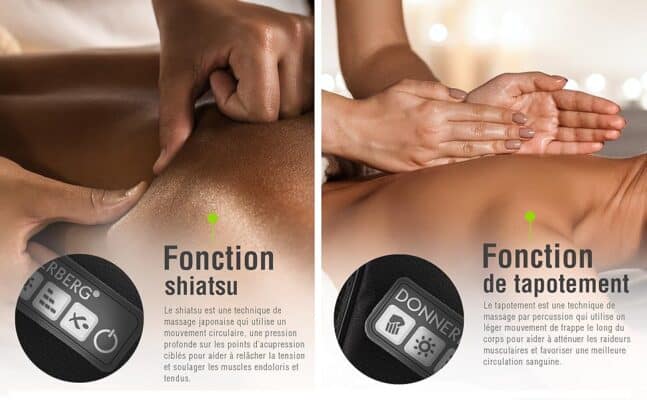
A Massage with No Oil — and With Clothes On
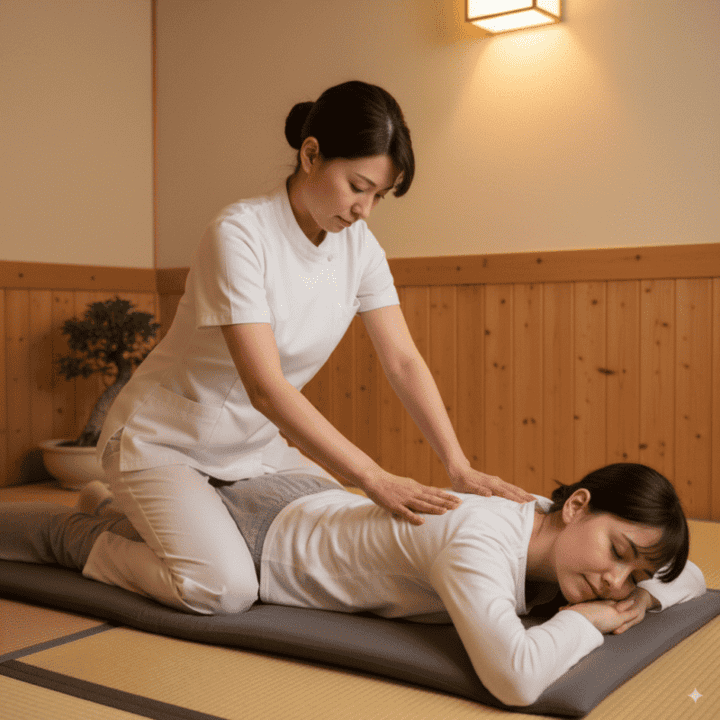
Unlike Swedish or deep tissue massage, Shiatsu is performed without oil or lotion. Clients typically wear comfortable, loose-fitting clothing (like yoga wear), and treatments are done on a traditional futon mat on the floor, or sometimes on a padded table.
This setting promotes ease of movement, allowing the therapist to apply stretches and leverage their body weight more effectively.
Every Session is Unique
A good Shiatsu therapist doesn’t work off a script. They combine experience with intuition to create a personalized treatment based on your current state of energy, posture, and emotional well-being.
Some sessions may feel more physical — others more meditative. But all aim to restore balance, release tension, and leave you feeling grounded, open, and deeply relaxed.
Proven Health Benefits of Shiatsu Massage
Shiatsu is more than just a relaxing experience — it’s a comprehensive therapeutic practice designed to support the body’s natural ability to heal and restore balance. Its benefits go far beyond relieving muscle tension. From physical pain to emotional stress, Shiatsu offers whole-body wellness, rooted in both traditional knowledge and supported by modern studies.
Here’s how Shiatsu massage can improve your overall health and well-being.
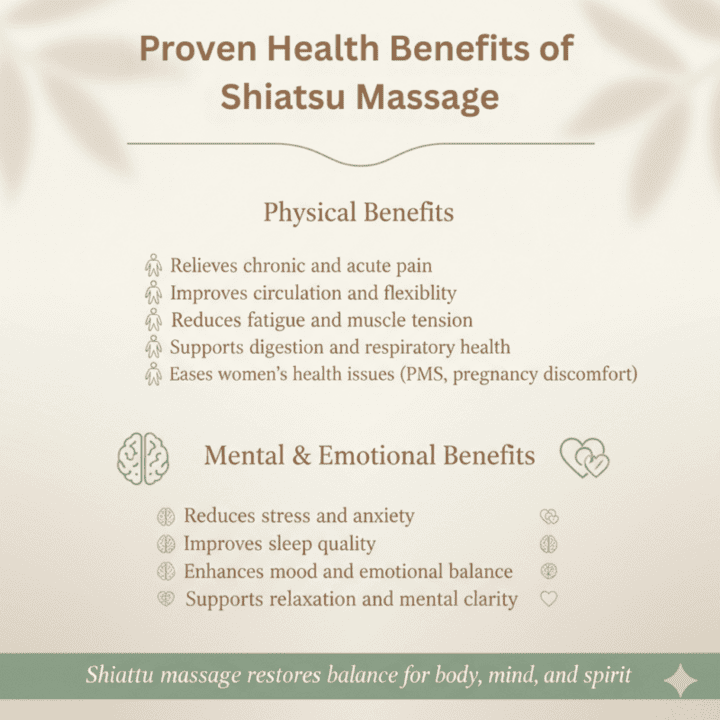
Physical Benefits of Shiatsu Massage
🔹 Relieves Chronic and Acute Pain
One of the most well-known benefits of Shiatsu is its effectiveness in pain management. By targeting pressure points along the body’s meridians, Shiatsu can:
-
Reduce muscular tension
-
Alleviate joint stiffness
-
Ease back pain, neck pain, shoulder pain, and headaches
-
Support patients with arthritis, sciatica, and fibromyalgia
👉 In fact, Shiatsu has been used to support burn patients, helping relieve pain when combined with pain-relieving medications. (Medical News Today)
🔹 Improves Circulation
By stimulating blood flow and lymphatic drainage, Shiatsu helps the body detoxify naturally and improves the delivery of oxygen and nutrients to tissues. This leads to:
-
Faster muscle recovery
-
Healthier skin tone
-
Improved cardiovascular health
🔹 Reduces Fatigue and Boosts Energy
When energy (qi) is stagnant or imbalanced, we often feel drained and sluggish. Shiatsu works by unblocking energy flow, helping the body regain vitality. Many clients report feeling:
-
More awake and energized
-
Less fatigued during the day
-
Improved concentration and clarity of thought
🔹 Supports Digestive and Respiratory Health
Shiatsu has been shown to benefit people suffering from:
-
Digestive issues such as constipation, bloating, and IBS
-
Respiratory conditions like asthma, sinus congestion, and bronchitis
This is thanks to its effect on the autonomic nervous system, which helps regulate vital functions like digestion and breathing.
🔹 Enhances Flexibility and Mobility
The stretching and joint rotation techniques used in Shiatsu help release tight muscles and improve range of motion. This is particularly beneficial for:
-
Office workers with poor posture
-
Athletes recovering from training
-
Seniors experiencing stiffness
🔹 Eases Symptoms of Women’s Health Issues
Shiatsu may also support:
-
Menstrual pain and hormonal imbalance
-
Morning sickness and pregnancy discomfort
-
Natural labor induction in overdue pregnancies (when applied by a trained prenatal therapist)
Mental & Emotional Benefits of Shiatsu Massage
In addition to its physical effects, Shiatsu is incredibly effective in calming the mind and supporting emotional well-being.
🔹 Reduces Stress and Anxiety
One of Shiatsu’s most powerful benefits is its ability to quiet the nervous system and activate the parasympathetic (rest-and-digest) response. This helps:
-
Lower cortisol levels (stress hormone)
-
Promote a deep sense of calm
-
Reduce symptoms of generalized anxiety
👉 A clinical study even showed that a 20-minute hand Shiatsu session could significantly reduce anxiety in burn patients — a testament to its power for mental health. (National Library of Medicine)
🔹 Improves Sleep Quality
Shiatsu can be a natural remedy for insomnia and poor sleep. By relaxing the nervous system and balancing energy flow, it helps clients fall asleep faster and enjoy deeper rest.
It’s particularly helpful for:
-
People with chronic pain
-
Athletes recovering from injuries
-
Veterans and caregivers suffering from emotional stress
🔹 Enhances Emotional Stability and Mood
Shiatsu fosters a sense of inner peace and emotional balance, making it a useful therapy for those struggling with:
-
Mild depression
-
Mood swings
-
PMS and menopause symptoms
-
Emotional exhaustion and burnout
Many clients describe the feeling after a Shiatsu session as being “centered,” “light,” and “emotionally clearer.”
A Holistic Boost to the Immune System
By supporting the nervous, circulatory, and lymphatic systems, Shiatsu indirectly strengthens the body’s defenses against illness. Regular sessions may help reduce:
-
Frequency of colds
-
Inflammation
-
The impact of seasonal allergies
Scientific Support and Anecdotal Evidence
While more large-scale clinical studies are needed, preliminary research, case reports, and countless user testimonials support the therapeutic value of Shiatsu.
Shiatsu’s success lies not just in physical manipulation, but in how it creates a space of trust, presence, and energetic connection between the practitioner and the client. That emotional safety — especially in today’s fast-paced world — can be profoundly healing on its own.
Shiatsu vs. Other Popular Massage Techniques
At first glance, many massage styles may seem similar — after all, they all involve touch, pressure, and relaxation. But the philosophy, techniques, and goals behind each method can differ significantly.
Here’s how Shiatsu massage compares to several well-known massage therapies, helping you choose the right approach for your body and mind.
🔹 Shiatsu vs. Swedish Massage
Swedish massage is perhaps the most recognized Western massage style, known for its long, flowing strokes and relaxing oil-based techniques.
Unlike Swedish massage, which focuses on muscles and circulation, Shiatsu targets energy channels and meridians — aiming to restore balance throughout the body (Nepa School Massage)
| Feature | Shiatsu Massage | Swedish Massage |
|---|---|---|
| Origin | Japan | Sweden |
| Technique | Finger/thumb pressure on meridians | Gliding, kneading, tapping |
| Focus | Energy balance (Qi), meridian lines | Muscle tension, circulation |
| Oil Used? | No | Yes |
| Clothing | Fully clothed | Undressed (with draping) |
| Equipment | Futon mat or massage table | Massage table |
👉 When to choose Swedish massage: Ideal for first-timers or those looking for gentle, oil-based muscle relaxation.
👉 When to choose Shiatsu: Better for those seeking energy rebalancing, stress reduction, or a holistic, clothed massage.
🔹 Shiatsu vs. Thai Massage
Thai massage shares many similarities with Shiatsu, including working with energy lines and no use of oil. However, the experience can feel quite different.
| Feature | Shiatsu Massage | Thai Massage |
|---|---|---|
| Technique | Static pressure, stretches, holding | Assisted yoga-like stretches, rhythmic pressure |
| Focus | Meridians and Qi balance | Sen lines (energy channels), flexibility |
| Intensity | Moderate | Moderate to intense |
| Client Involvement | Passive | Often active (you move and stretch with assistance) |
👉 Thai massage is sometimes called “lazy man’s yoga”, involving more physical movement. It’s great for increasing flexibility.
👉 Shiatsu, on the other hand, is more grounding, still, and introspective — perfect for people who prefer calm over activity.
🔹 Shiatsu vs. Deep Tissue Massage
Deep tissue massage targets the deeper layers of muscle and connective tissue to address chronic pain or tension.
| Feature | Shiatsu Massage | Deep Tissue Massage |
|---|---|---|
| Focus | Energy pathways, overall balance | Specific muscles and knots |
| Technique | Pressure on meridians | Slow, deep muscle strokes |
| Oil Used? | No | Yes |
| Pain Level | Mild to moderate | Moderate to intense (can be painful) |
👉 Deep tissue massage is ideal for people with injuries or sports-related tension.
👉 Shiatsu is better if you’re looking to balance energy and support long-term wellness — not just “fix” a specific area.
🔹 Summary: Which Massage Style is Right for You?
| Your Goal | Best Option |
|---|---|
| Deep relaxation & energy balance | Shiatsu |
| Muscle recovery & blood circulation | Swedish Massage |
| Increased flexibility & movement | Thai Massage |
| Chronic pain relief | Deep Tissue Massage |
If you’re in Nha Trang, Sen Spa Nha Trang offers a wide variety of massages like:
👉 While Shiatsu may not be currently listed in our main services, many of our bodywork techniques are inspired by acupressure and Eastern medicine, offering similar benefits.
Conclusion: Is Shiatsu Right for You?
In an age of constant stress, digital overload, and emotional burnout, Shiatsu massage offers a return to stillness — a powerful reminder that healing doesn’t always require machines, medicine, or noise. Sometimes, all it takes is the mindful touch of human hands, guided by centuries of wisdom.
Rooted in Japanese tradition and grounded in Eastern medical philosophy, Shiatsu is more than just a massage — it’s a therapeutic practice for restoring balance to body, mind, and spirit. Whether you’re dealing with chronic pain, anxiety, fatigue, or simply looking to reconnect with your inner energy, Shiatsu provides a gentle yet effective path toward wellness.
At Sen Spa Nha Trang, we are passionate about sharing knowledge that empowers your wellness journey. While we do not currently offer Shiatsu massage as part of our treatment menu, we believe in educating our community about diverse global healing practices — and Shiatsu is a wonderful example of this.
If you’re exploring different massage modalities or simply curious about holistic therapies, we hope this article helps you understand the principles, benefits, and philosophy of Shiatsu.
🟢 At our spa, we offer a variety of therapeutic treatments rooted in both traditional Vietnamese and international massage techniques, including:
If you’re exploring your wellness journey, we invite you to experience our wide range of massages inspired by both Eastern and Western traditions — all designed to rejuvenate your body, calm your mind, and restore your energy.
🧘♀️ Because healing is not just about fixing what’s wrong — it’s about nurturing what’s right within you.
📍 Visit us at: 241 Ngo Den Street, Nha Trang City
📞 Hotline: +84 908 258 121
🕒 Open daily: 08:30 – 20:30
📩 Email: senspanhatrang@gmail.com
FAQs – Frequently Asked Questions About Shiatsu Massage
1. Does Shiatsu massage hurt?
Not usually. It applies steady pressure that may feel intense in tight or blocked areas, but it should not be painful. Mild soreness afterward is normal, like post-exercise fatigue.
2. Is Shiatsu safe during pregnancy?
Shiatsu can be beneficial for pregnancy, but only when performed by a qualified prenatal therapist. Some points must be avoided, so always consult your doctor and a trained professional.
3. How often should I get Shiatsu massage?
For general wellness, once every 2–4 weeks is common. For specific issues like pain or stress, weekly sessions may be more beneficial.
4. Do I need to remove my clothes during a Shiatsu session?
No. Shiatsu is performed fully clothed. Just wear loose, comfortable clothing that allows movement.
5. Can Shiatsu help with anxiety and sleep?
Yes. By calming the nervous system and regulating energy flow, Shiatsu can help reduce anxiety, improve sleep quality, and promote emotional stability.